


Scottish rain has long been a problem in architecture. In Charles Rennie Mackintosh’s fabulous 20th-century Hill House, while the architect’s noted bespoke interior detailing remains intricate and charming with a wonderful calm flow, the work on the building’s exterior wasn’t so successful. Mackintosh experimented with materials and his harl mortar mix was an unfortunate example of where things can go horribly wrong.
The original harl caused the building’s history of terrible leaks almost from the start (the house was completed in 1904). These leaks continued through the ownership of the two families who lived there. Attempts to fix the issue were taken by the RIAS (Royal Incorporation of Architects in Scotland), and now the National Trust for Scotland, who are currently addressing what others attempted. The good news is that, as we found on a recent Thomas Robinson Architects team visit, it is now being given great attention and proper resources.
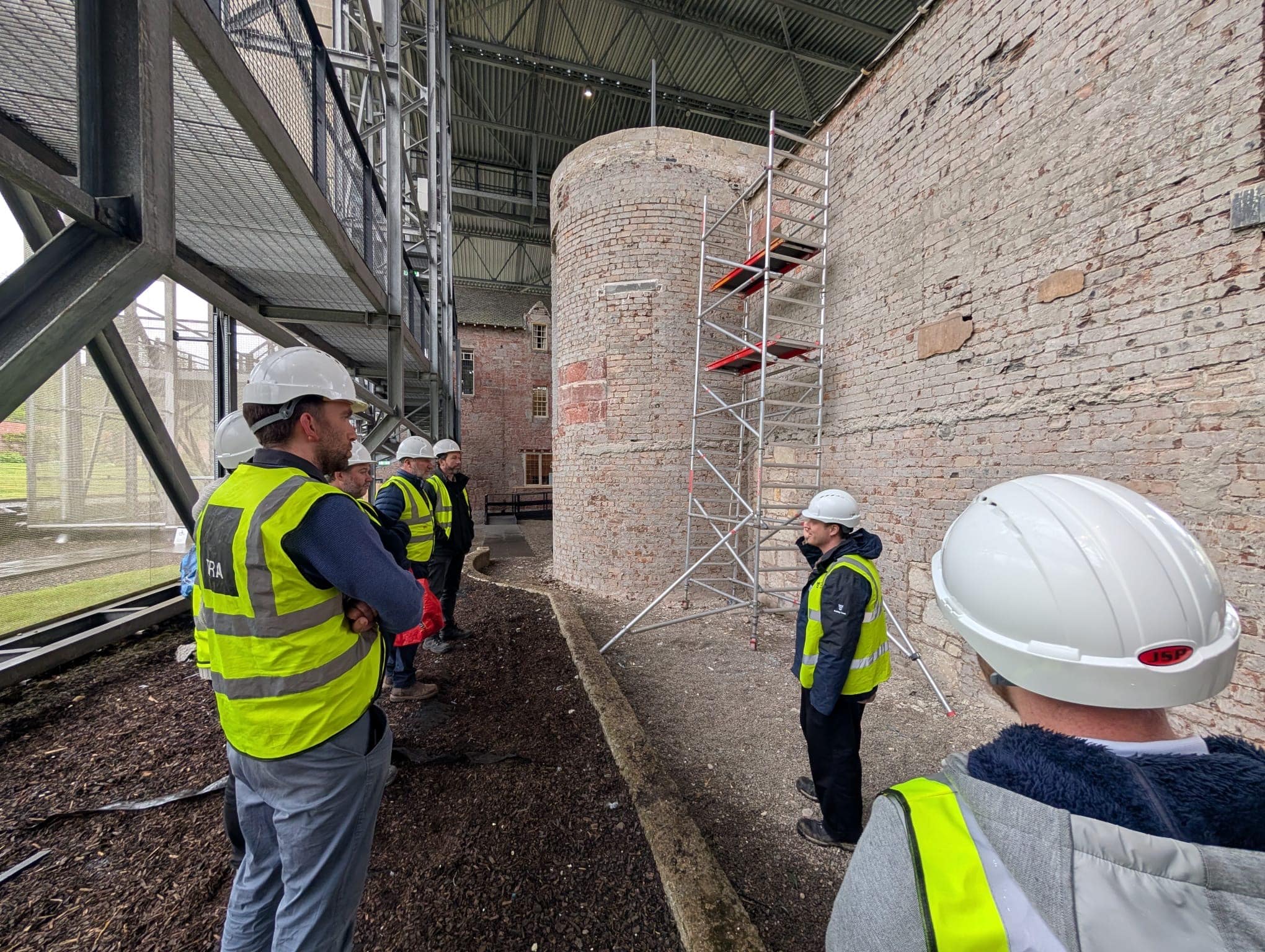
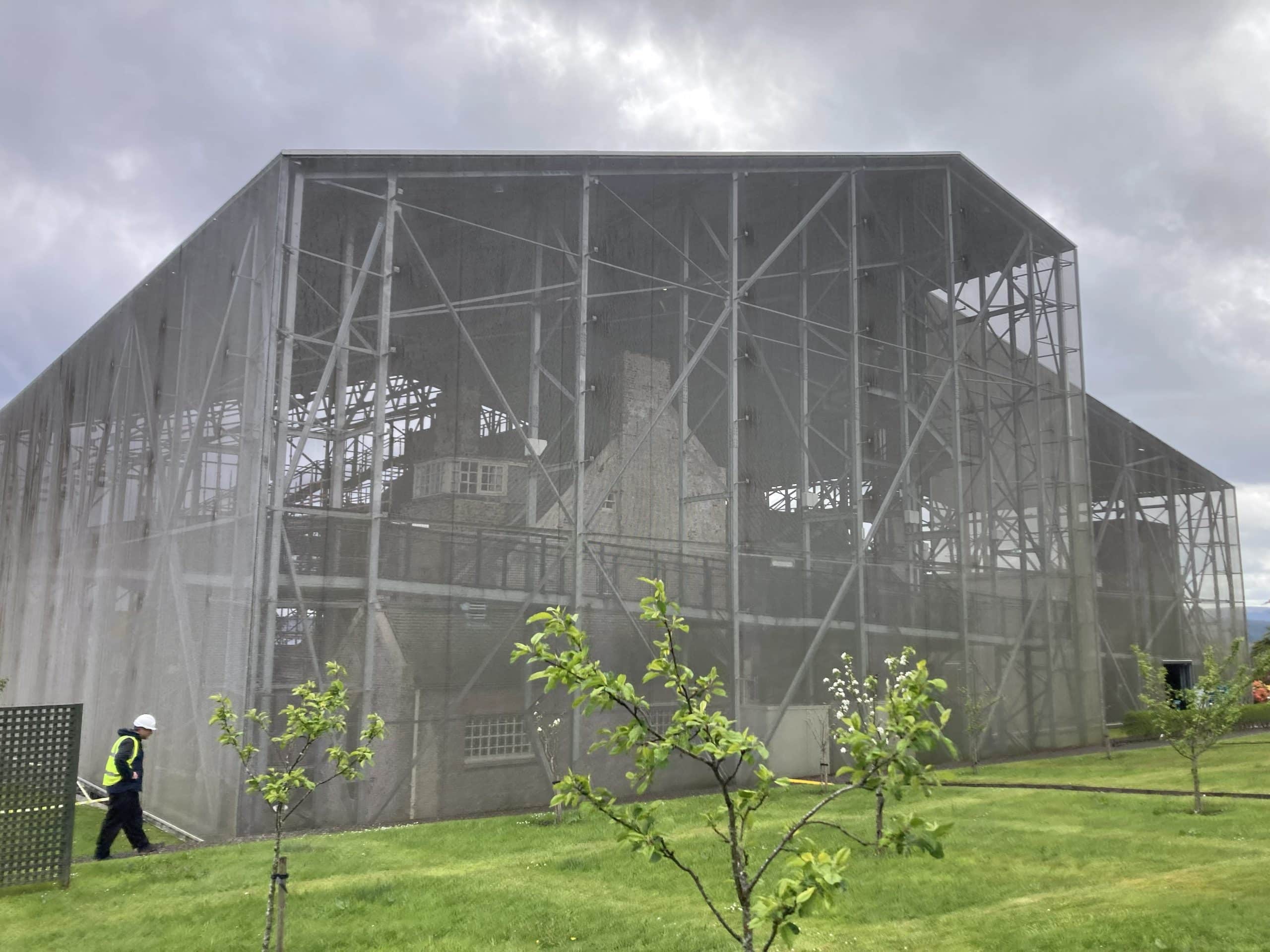
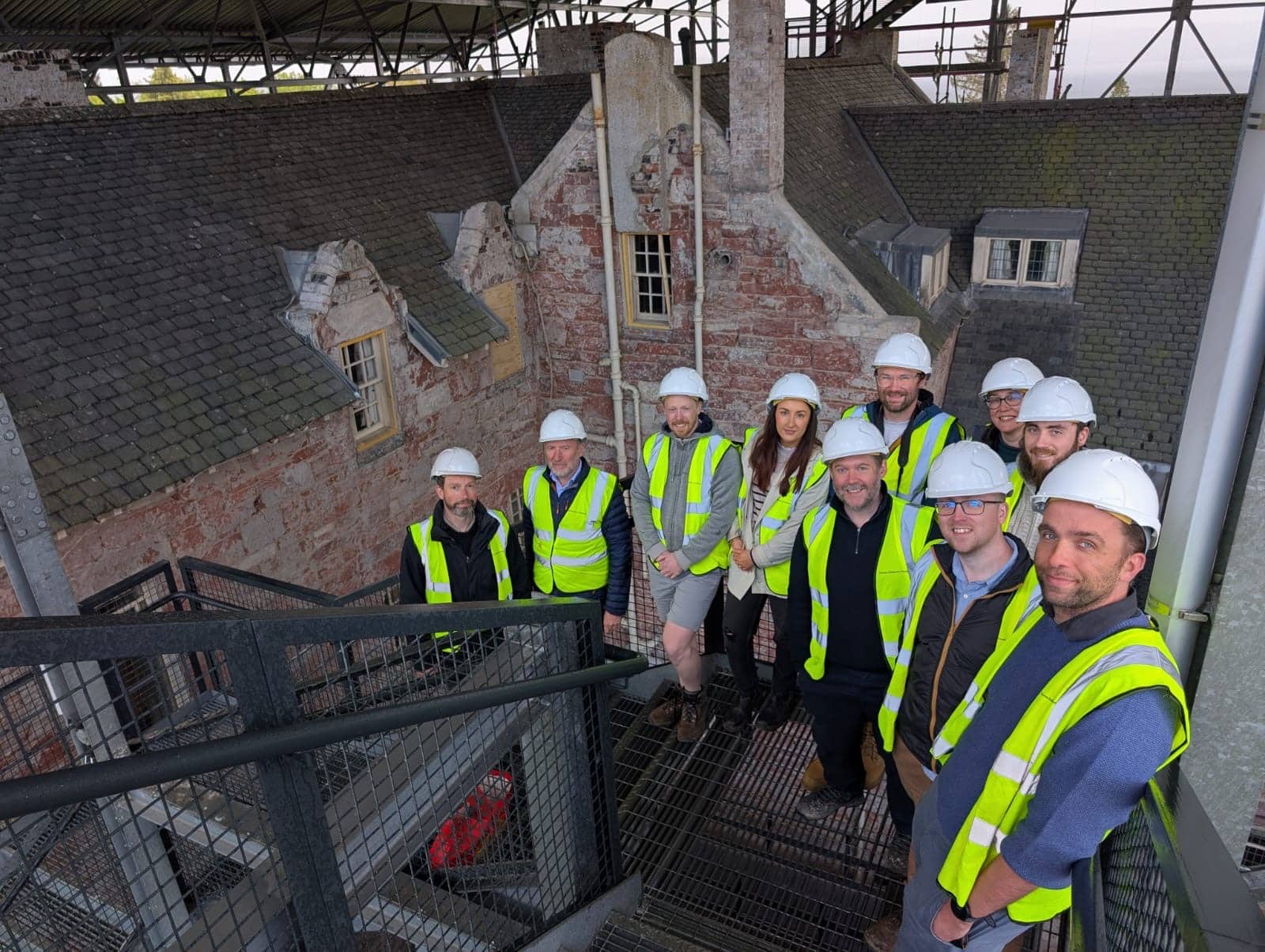
On our detailed technical tour of the house and exterior – which sits under the cover of a mesh metal box and temporary roof to protect it from the elements – we examined the stonework and brickwork in detail. It’s easy to see now, as it has been exposed after recent removal of the harl.
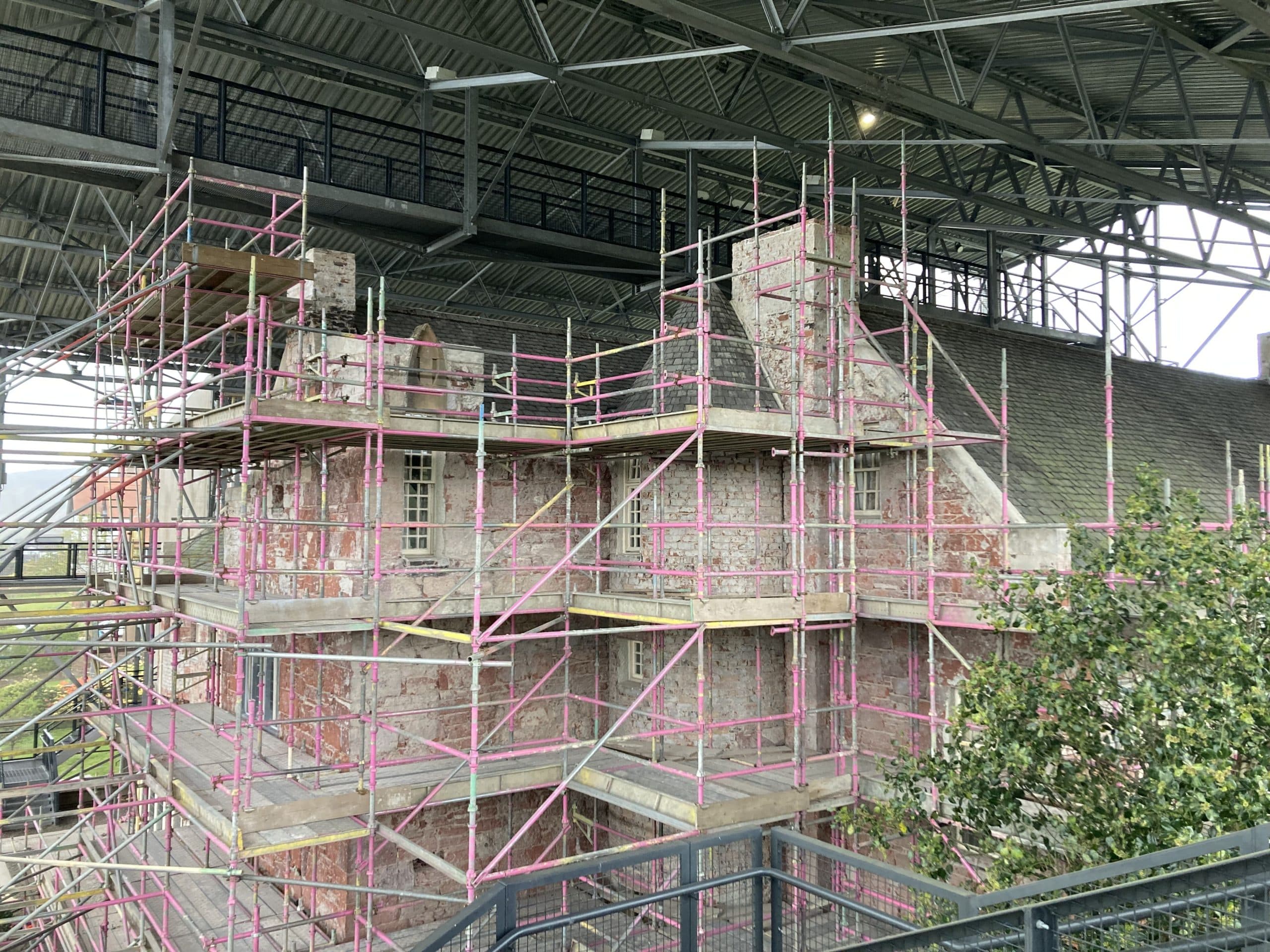
There is still much debate over how to keep the defining features and appearance of the external details of the house, in particular the harled skews (skews are the sloping edges of the gable wall). With the harl now all removed, I hope the replacement mix will be both waterproof and vapour permeable. Whether something more robust could be done to the skews is a question. Preventing damp and encouraging breathability are two issues that we have spent a great deal of time considering as architects in Scotland.
Inside Mackintosh’s Hill House
Every time I have walked the interiors of the Hill House I am reminded again of how wonderful it is. Mackintosh really did design every nook and cranny – and it is rich in original detail everywhere.
Mackintosh was 34 when he designed the house, yet he was already a mature designer, having completed Windy Hill and also his designs for House for an Art lover. Always interesting for me as an architect is the degree of influence a client will have on a design. It is often very considerable. Publisher Walter Blackie, who commissioned the project, apparently informed Mackintosh at the first meeting of the following:
“… that I disliked red tiled roofs in the West of Scotland with its frequent murky sky; did not want to have a construction in brick and plaster and wooden beams; that on the whole I rather fancied grey roughcast for the walls and slate for the roof, and that any architectural effect sought should be secured by mass of the parts rather than by adventitious ornamentation”. James Macaulay notes in his book on Mackintosh that, “Clearly client and architect were meant for each other.” Indeed.
In addition to the stylistic aspects, Mackintosh also paid close attention to how his clients lived, with every aspect of life for a wealthy family being catered for. A three-focus point drawing room, a library, and the dining room were all essentials for the Blackie family’s frequent entertaining. It is interesting to think about how requirements have evolved from 1904 when the Blackies moved in to the Hill House to 2026. All the important rooms at the Hill House share the magnificent views exactly as one would design today. But the house does not have the now mandatory combined kitchen, dining, living space, and the kitchen at the rear is not a room in which one would want to spend time. Trends in architecture evolve and revolve through time.
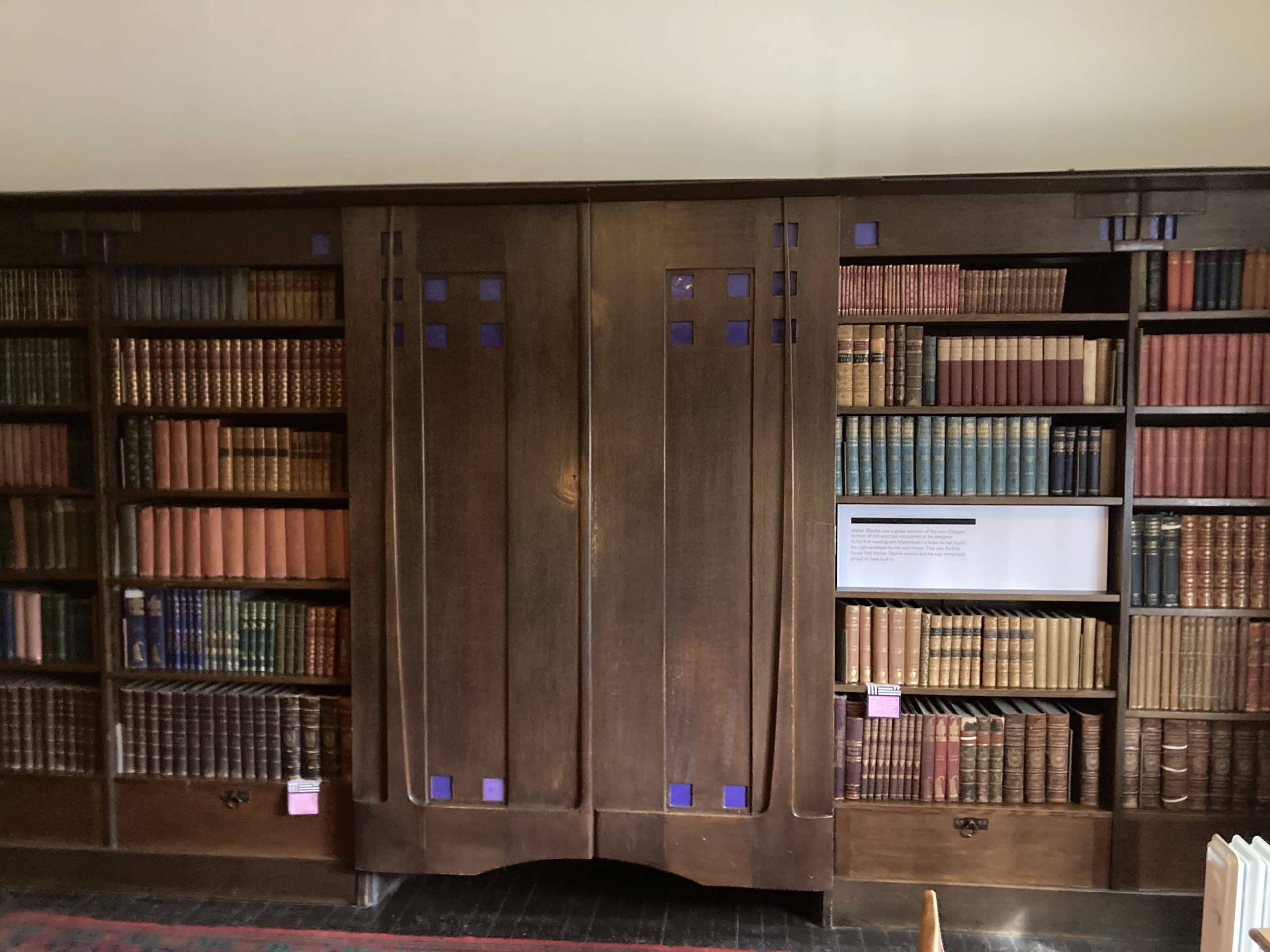
Details such as light switch recesses, a chair recess on the stair half-landing, the first-floor hall landing raised reading niche, the stair screen of tapering vertical timbers, are all unexpected but full of delight and combine to create a thoroughly original interior.
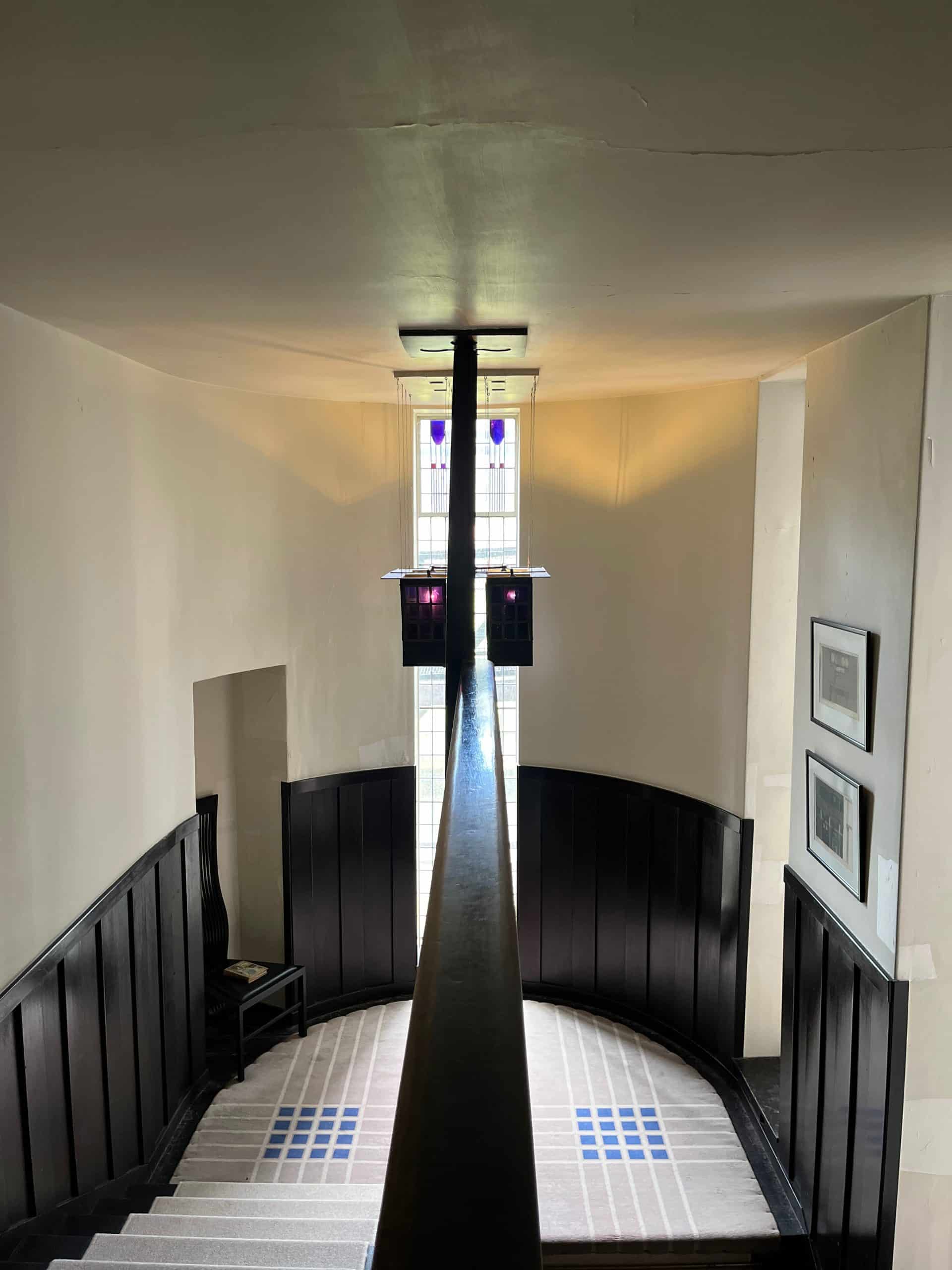
What makes The Hill House especially compelling today is both this exquisite design and also the fact that it’s a live case study in how we care for historic fabric in a challenging climate, something us Scottish architects are continuously aware of.
For anyone interested in Scottish architecture and the future of conservation practice, a visit to The Hill House is both a pilgrimage and a lesson in creative problem-solving.
The raised walkways around and above the house give visitors a completely new vantage point, turning conservation into part of the visitor experience. It is an extraordinary sight – a landmark of early 20th-century design, housed within a striking piece of contemporary engineering.
Do you have an old house with damp problems? Get in touch.
If you own an old home where rain has become an issue, perhaps you need to commission an architect for a Condition Report (something we are adept at). You may also be interested in our conservation work on historic Scottish buildings, which always has some element of fighting the rain. As Scottish architects working on many historic buildings, controlling moisture levels, inside and outside houses – as part of insulation as well as exterior materials, is a perennial concern for us.